
Existing systems
Your current system may need improvement — not replacement
Institutions have often invested years in the software they run. We understand the current platform first, then prepare controlled improvements that protect that investment rather than discarding it.
- Works with systems we did not build
- Documentation produced as part of the work
- Controlled DEMO before anything reaches live use
Why this exists
What holds institutions back
- Generic systemsProcesses, approvals and reports rarely match the institution exactly.
- Knowledge trapped in peopleWhen a developer leaves, important technical understanding may leave with them.
- Slow, risky improvementsSmall changes can take weeks because nobody is certain what else may break.
- Weak visibility and recoveryInstitutions may not have a clear record of what changed, or how to recover safely.
The process
Five phases, in order
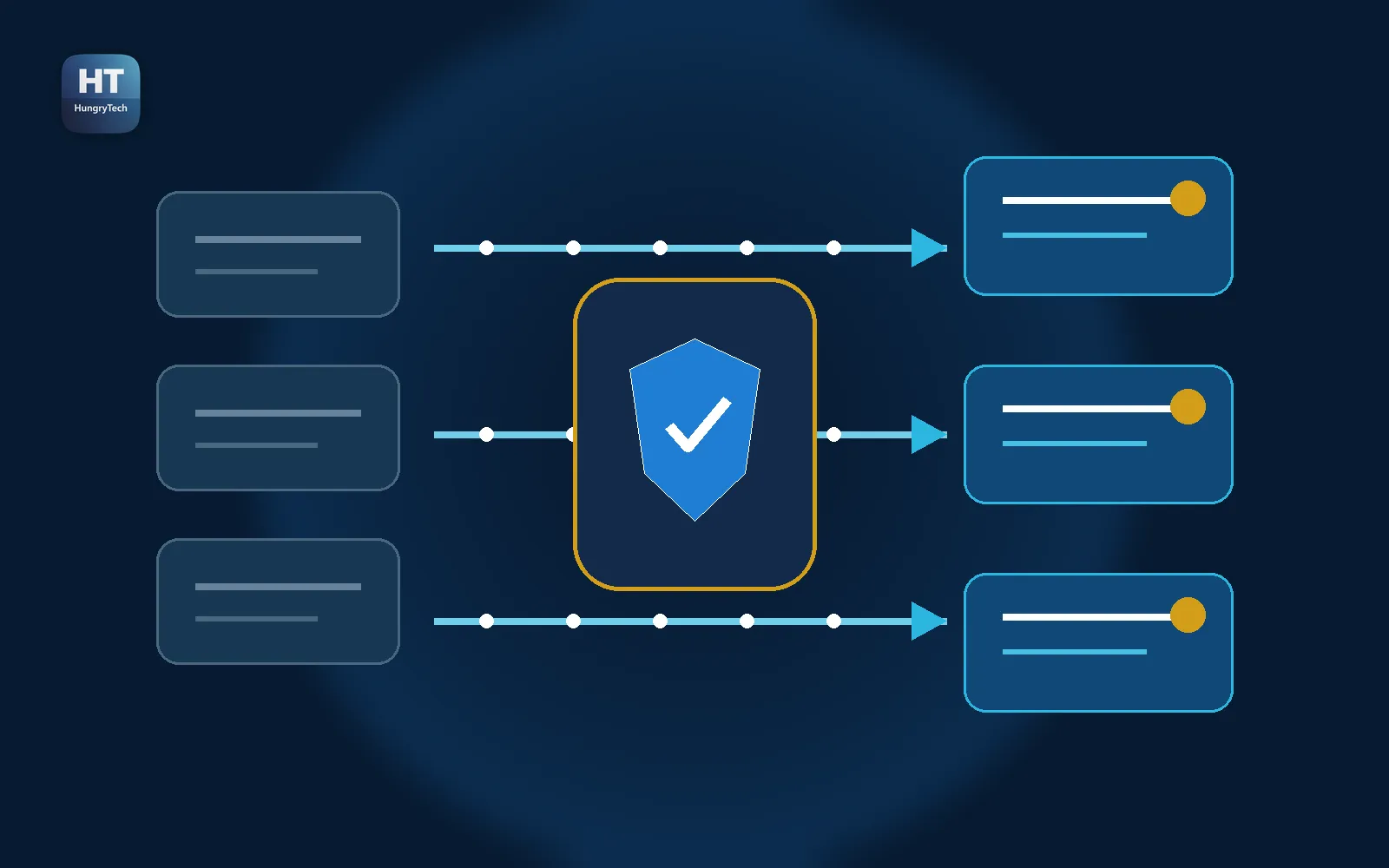
Each phase produces something the institution keeps: understanding, documentation, working change, evidence, and a safe route back.
Understand
We work through the architecture, modules and business rules of the system as it stands — including the parts nobody has written down.
Document
Verified project knowledge is captured: how the system is built, what depends on what, where the risks sit, and what must not be disturbed.
Improve
Bounded implementation and integration. Changes are scoped so their effect is understood before any code is written.
Review
Testing and independent verification. The person who implemented a change is not the only person who signs it off.
Operate
Controlled release, support and recovery, with the evidence retained so a future team can retrace what happened.
In detail
What the work actually involves
Not every engagement uses every stage. Which apply is decided during assessment, and stated before work begins.
- System assessmentWhat the platform is, what it does and what condition it is in.
- Verified project knowledgeUnderstanding confirmed against the system itself, not assumed.
- DocumentationArchitecture, modules, rules and dependencies written down and kept current.
- Requirements clarificationVague requests turned into a brief someone can agree to.
- Risk and security assessmentAccess, data exposure and operational risk examined before change.
- ModernisationInterfaces, performance and structure brought up to current expectations.
- Module developmentNew capability added without rebuilding what already works.
- IntegrationsPayments, messaging and other systems connected deliberately.
- Review and testingEvidence that the change does what was agreed — and nothing else.
- Controlled DEMOChanges tested in a separate environment before anyone depends on them.
- ApprovalA person with authority accepts the work, requests changes, or declines it.
- Deployment and recoveryControlled release, with backup and recovery records where the deployment supports it.
Typical improvements
What institutions usually ask for first
- Add modules without rebuilding
- Improve reports and dashboards
- Strengthen permissions and security
- Integrate payments or communication
- Modernise the user experience
- Document an undocumented system
- Improve performance and reliability
Preserve what works. Improve what matters.
Common questions
Can you work on a system you did not build?
Yes. That is the point of the assessment and documentation phases: we establish verified understanding of the system as it stands before proposing any change.
What if the system is undocumented?
Documenting an undocumented system is itself one of the improvements we deliver. The documentation stays with the institution.
How do you avoid breaking what already works?
Changes are bounded and reviewed, tested in a controlled DEMO environment, and released only after a person with authority approves them. Where the deployment supports it, backup and recovery records are retained.
Do we have to replace the system eventually?
Not necessarily. Replacement is a recommendation we make only when improvement cannot reasonably achieve what the institution needs — and we explain the reasoning.
Who approves the work?
The institution does. The implementer does not approve their own work, and consequential requirements and releases require human approval.
Next step
Start with an assessment of what you already run.
Before anyone proposes a rebuild, let us establish what your current system does, what condition it is in, and what improvement would actually involve.
The button opens WhatsApp with a short message already written. Edit it before you send.
- Call+256 768 768 147
- Emailinfo@hungrytech.io
- Find usSenior Quarters, Mbale, Uganda